






By Dhanel Moon
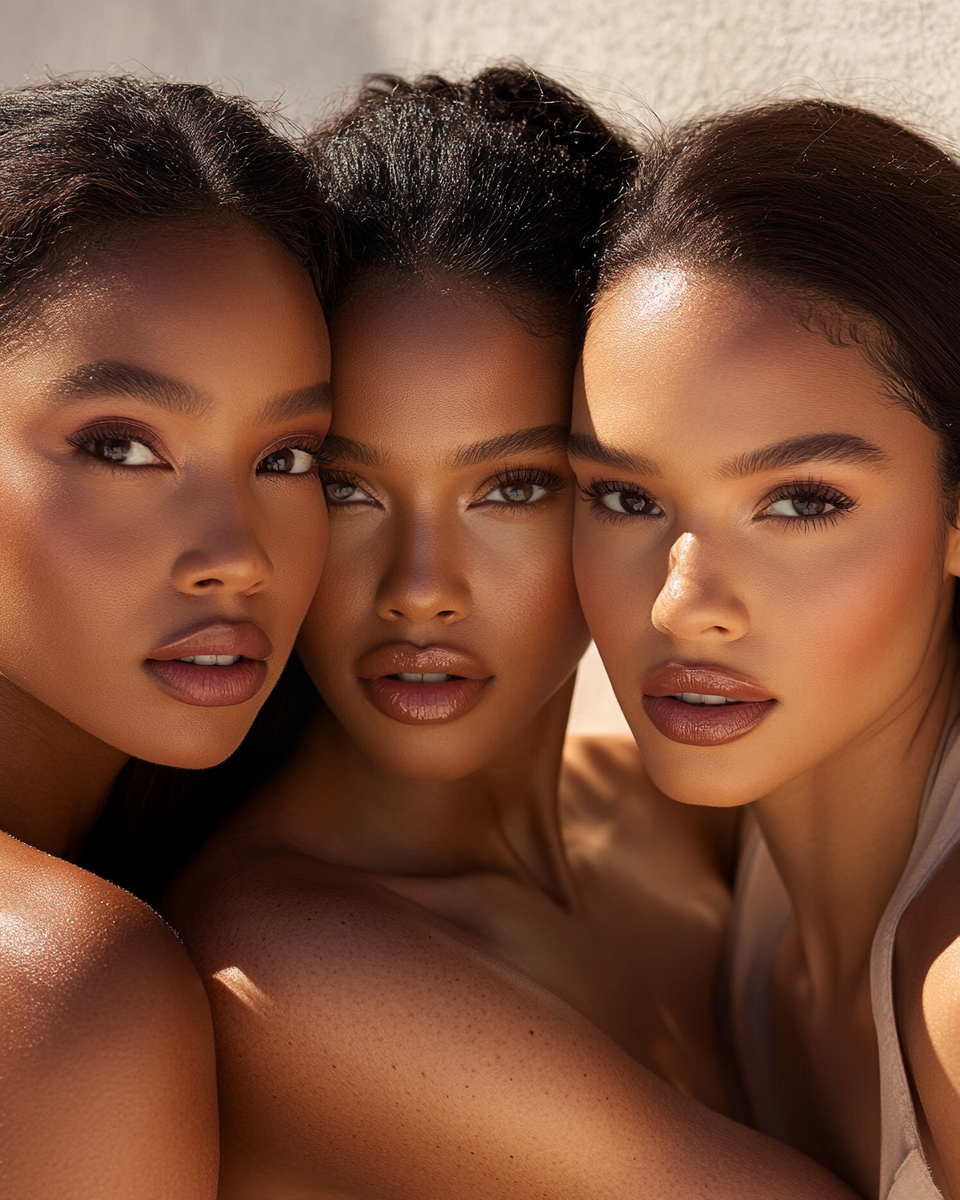
Melanin-rich skin is not a genetic carbon copy, even among people who share similar complexions or identify as Black. Across Black communities and beyond, skin varies in its genetics, texture, thickness, sensitivity and response to treatment. Yet the skincare industry too often treats melanin-rich skin as though everyone will react the same way to an ingredient, formula or technique.
Well, guess what? All melanin-rich skin does not react the same. It never has. And assuming otherwise can contribute to irritation, hyperpigmentation and a compromised skin barrier.
Melanin-Rich Skin Is Like the Plant Kingdom: Diverse, Complex and Unique
So amazing is melanin-rich skin! Just as plants have different needs, sensitivities and growth patterns, our skin has variations that influence how it responds to the world and to the products we put on it.
- Melanin production and distribution
- Skin thickness and texture
- Skin-barrier function
- Inflammatory response
- Healing and recovery
- Sensitivity to acids, enzymes and mechanical exfoliation
This means two people with brown skin, regardless of race or nationality, may have completely different reactions to the same exfoliant, peel or active ingredient, whether raw or refined.

Autumn Exfoliation Season: Moon Skin Spa’s Call for Melanocyte-Safe Practices
Speaking of raw, that is not how you want your skin to feel as we move into cooler weather. Autumn often brings renewed interest in peels and exfoliation, but this is also a time to pay closer attention to dryness, irritation and your skin barrier.
Your melanocytes deserve that care. Melanocytes are the specialized cells that produce melanin, the pigment that helps give skin its color and plays a role in protecting it from ultraviolet radiation. These cells have branching extensions called dendrites, which help transfer pigment-containing packages to neighboring skin cells.
Melanocytes are part of a complex, living skin system. When your skin becomes irritated or inflamed, pigment production can change, sometimes leaving dark marks or areas of uneven color long after the initial irritation has passed.
Overly aggressive exfoliation or poorly matched formulas can contribute to:
- Irritation and inflammation
- Disruption of the skin barrier
- Post-inflammatory hyperpigmentation
- Persistent uneven pigmentation
These effects can take months to fade, and some cases may last longer. More intense does not always mean more effective.

Understand Gentle Is Not Weak. Gentle Is Intelligent.
For melanin-rich skin, the future of exfoliation is precision, not intensity. The goal is to respect the skin barrier while choosing treatments that suit your individual skin.
This autumn, Moon Skin Spa by Dhanel Moon encourages a more thoughtful approach:
- Consider gentle enzyme-based exfoliation when suitable for your skin.
- Use exfoliating acids thoughtfully, with attention to strength, frequency and tolerance.
- Pair exfoliation with hydration and barrier-supportive care.
- Remember that plant-based or “raw” does not automatically mean gentle or safe.
- Pay attention to stinging, burning, tightness and lingering irritation.
- Consult a qualified Esthetician or dermatologist before trying stronger peels, especially if you are prone to discoloration.
Because when you care for the skin barrier and avoid unnecessary inflammation, you give your skin a better opportunity to look and feel its healthiest.
Your Skin Is the Standard
Melanin-rich skin is beautifully diverse, biologically complex, and deserving of individualized care. No single product, treatment, or skincare philosophy can speak for every complexion, even when our skin tones appear similar.
And that’s something worth remembering the next time someone recommends a product because it’s “good for darker skin.”
Your skin has its own history, sensitivities, strengths, and needs. Pay attention to how it responds. Ask questions. Speak up when a treatment doesn’t feel right. And seek out skincare professionals who are interested in understanding your skin, not simply categorizing it.
The more we understand our skin, the better equipped we are to advocate for it. And when we share our experiences, ask informed questions, and expect individualized care, we help raise the standard of what skincare should deliver.
That is why NBEW is committed to elevating the voices of Estheticians who understand the depth and nuances of melanin-rich skin, and who believe that thoughtful, individualized care should be the expectation, not the exception.
At Moon Skin Spa, that same commitment is central to Dhanel Moon’s approach: respecting the complexity of your skin and helping you make informed choices about how to care for it.
Caring for melanocytes means respecting the intricate biology that helps give our skin its color.
Our skin has always been worthy of that respect. Now let’s make sure the care we receive reflects it.
Your shade is beautiful. Your skin is individual. Let that individuality guide how you care for it.
Explore Dhanel Moon’s NBEW page here, and her approach to holistic skincare at moonskinspa.com.