
Lipedema and Me
What is Lipedema?
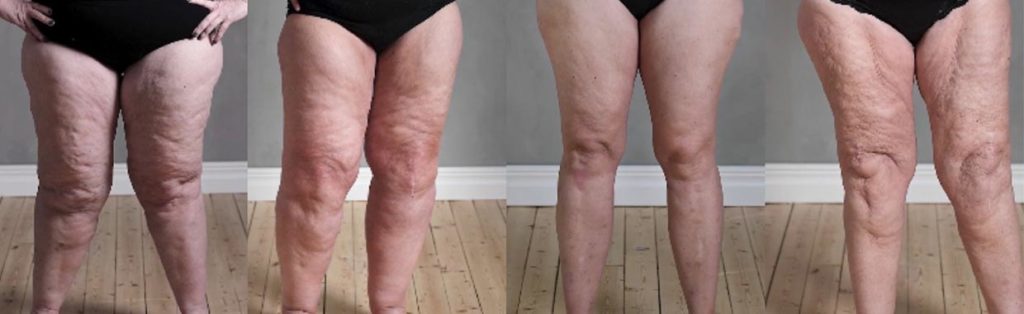
Lipedema is a chronic condition that affects the adipose tissue, causing it to accumulate disproportionately in the lower body, particularly in the legs, hips, and bum. It is a progressive condition, which means it can get worse over time without proper treatment. Lipedema is more common in women, and it usually starts around puberty or pregnancy.
What are the symptoms of Lipedema?
The primary symptom of Lipedema is the abnormal accumulation of fat in the legs, hips, and bum. The affected areas are often resistant to diet and exercise and may appear out of proportion to the rest of the body. In some cases, Lipedema can also affect the arms. Other symptoms of Lipedema may include:
• Pain and discomfort: The accumulation of fat in the affected areas can cause pain, tenderness, and a feeling of heaviness.
• Swelling: Lipedema can cause swelling in the legs, which can worsen throughout the day.
• Skin changes: The skin over the affected areas may be sensitive to the touch and can bruise easily.
• Limited mobility: As the condition progresses, the excess fat can limit mobility and range of motion, making it difficult to perform everyday activities.
Is Lipedema progressive?
Yes, Lipedema is a progressive condition that can get worse over time if left untreated. Without proper treatment, the excess fat can continue to accumulate, leading to more severe symptoms such as chronic pain, limited mobility, and an increased risk of developing other health issues such as Lymphedema, varicose veins, and cellulitis. However, with proper management, including lifestyle changes, compression therapy, and surgical interventions, it is possible to slow the progression of the disease.
Is there a cure for Lipedema?
Unfortunately, there is currently no known cure for Lipedema. However, there are various treatment options available that can help manage the symptoms and improve quality of life. Some of these treatments may include:
• Lifestyle changes: This may include maintaining a healthy diet, exercising regularly, and avoiding tight clothing and high heels.
• Compression therapy: This involves wearing compression garments such as stockings or bandages to help reduce swelling and improve lymphatic flow.
• Surgical interventions: Various surgical options such as liposuction or lymphatic sparing procedures may be recommended in some cases to remove excess fat and improve mobility.
• Physical therapy: Exercises designed to improve lymphatic flow, reduce pain, and improve mobility.
In conclusion, Lipedema can significantly impact a person’s quality of life. While there is currently no cure, there are various treatment options available that can help manage symptoms and slow the progression of the disease.
The book linked here is a great starting point if you are just beginning your Lipedema journey.
Recent Blog Posts
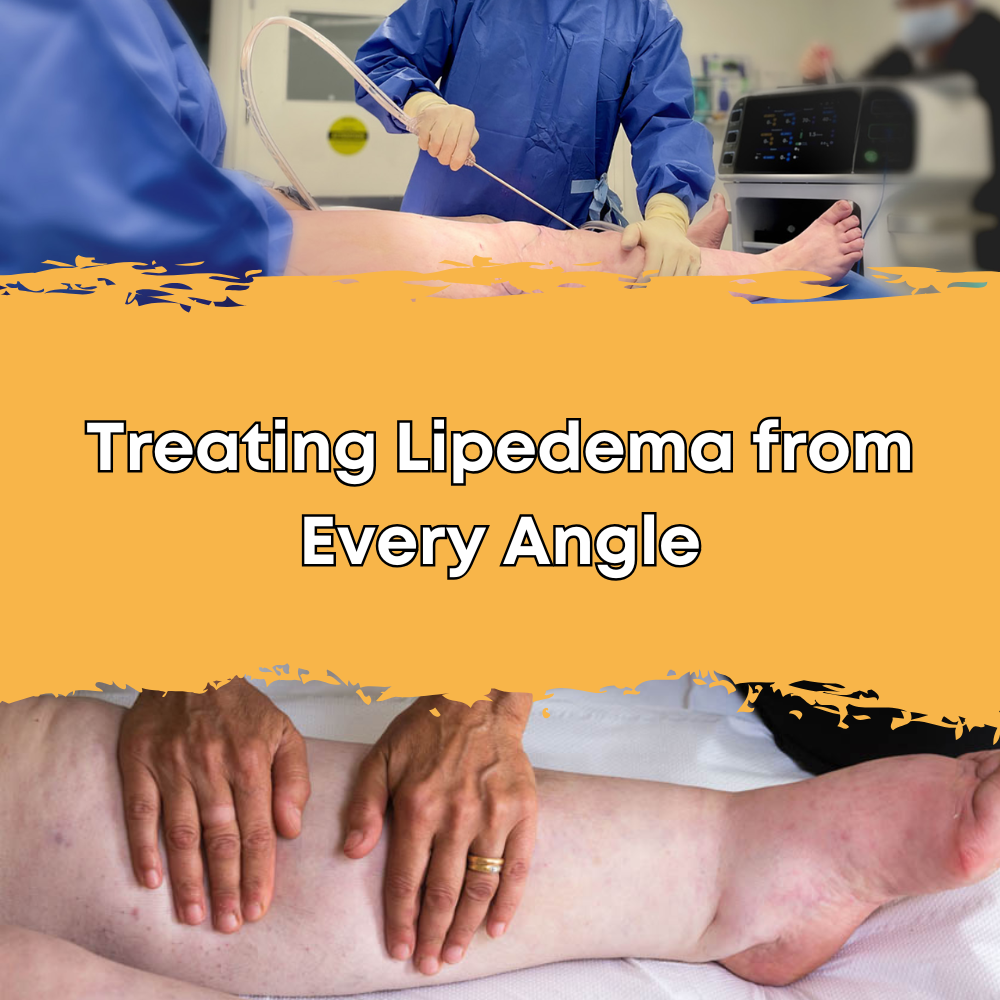
Treating Lipedema from Every Angle | A 360 Approach from Dr Thomas Wright
This blog post is written by Dr Thomas Wright MD If you have Lipedema, you’ve…

An Interview with Dr Mooz | Sharing His Experience Treating Lipedema
This month, we sat down with Dr. Mooz (Dr Michael Mouzakis) – an experienced UK-based…

Evidence-Based Nutritional Approaches for Lipedema | What the Most Recent Evidence Shows
This blog post was written by Dr Gabriele Gallo MD PhD As a surgeon specialising…

16 Celebs with Lipedema in 2026 | Famous People with Lipedema
Being a Lipedema sufferer can feel extremely isolating and like no one truly understands what…
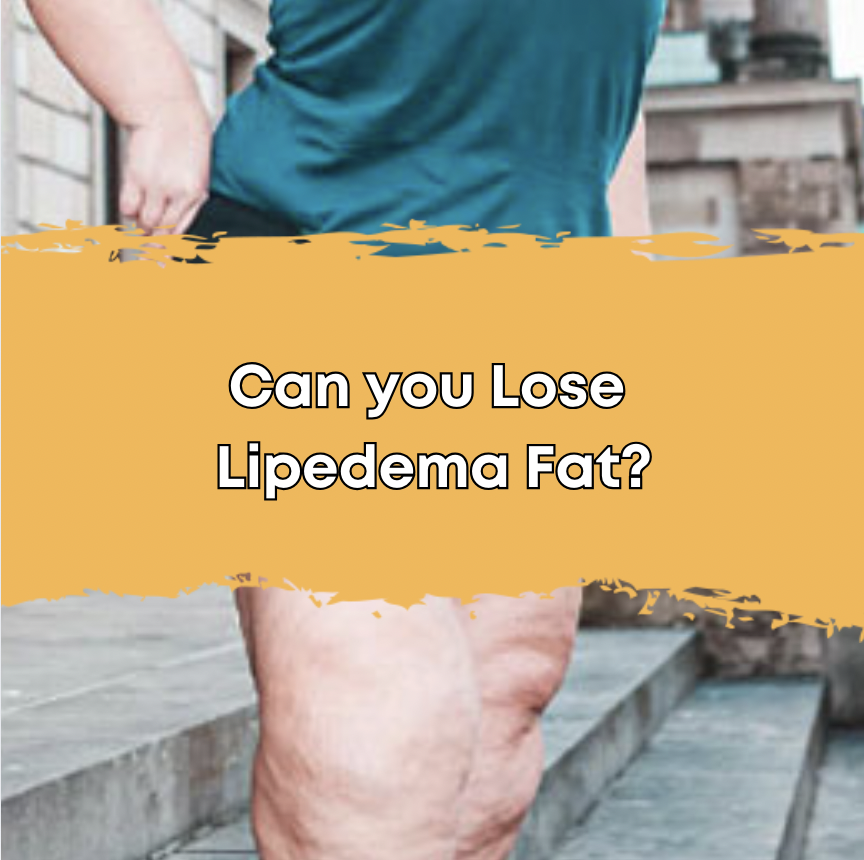
Can you Lose Lipedema Fat? | How Hard is it to Lose Lipedema Fat?
If you’ve been trying to lose weight with Lipedema and noticing that your legs or arms…

Treating Lipedema with VASER Liposuction | A Surgeon’s Perspective from Dr Anuj Purbey
This blog post was written by Dr Anuj Kr Purbey As a surgeon specialising in…
Sign up to my Newsletter!
Sharing weekly blog posts, Lipedema related news and product recommendations.