

This blog post is written by Dr Thomas Wright MD
If you have Lipedema, you’ve probably already discovered that this condition does not respond the way other health problems do. Diet and exercise, on their own, rarely move the needle. Standard medical advice can feel dismissive or unhelpful. And finding the right treatment can feel like searching for answers in the dark.
The good news is that an increasingly clear picture is emerging in the Lipedema medical community: comprehensive, layered care works. Instead of trying one treatment in isolation, women find more success in a coordinated approach where each therapy builds on the last. Understanding how these pieces fit together can help you make more informed decisions and set realistic, hopeful expectations for your care.
What Comprehensive Lipedema Care Means
Comprehensive Lipedema care refers to a treatment framework that addresses the condition from multiple angles at once. It combines conservative (non-surgical) therapies for Lipedema with surgical intervention when appropriate, and it recognises that the order and consistency of treatment matters enormously.
Think of it like building a house. The foundation has to come first, and each layer strengthens what came before it. And when everything is in place, the structure is far more stable than any single element could be on its own.
The Conservative Care Foundation
Conservative care encompasses all of the non-surgical strategies used to manage Lipedema symptoms, slow disease progression, and support the body’s lymphatic and vascular systems. These treatments are not cures, but they are essential. They reduce inflammation, improve fluid movement, and help the body function as well as possible given the challenges Lipedema creates.
Compression Therapy
Compression is one of the most well-researched interventions in Lipedema care. Graduated compression garments apply gentle, consistent pressure to the legs and arms, helping to reduce swelling, manage pain, and support circulation.
Research into both standard compression and pneumatic compression devices (which use an inflatable sleeve to move fluid toward the body’s core) has found produced measurable improvements in leg circumference, bioimpedance readings, and pain scores in women with Lipedema. The group using pneumatic compression on top of standard conservative care showed greater improvement than the conservative care group alone, underscoring the additive nature of these treatments.
Compression is most effective when worn consistently and when the garments are properly fitted for the individual patient.
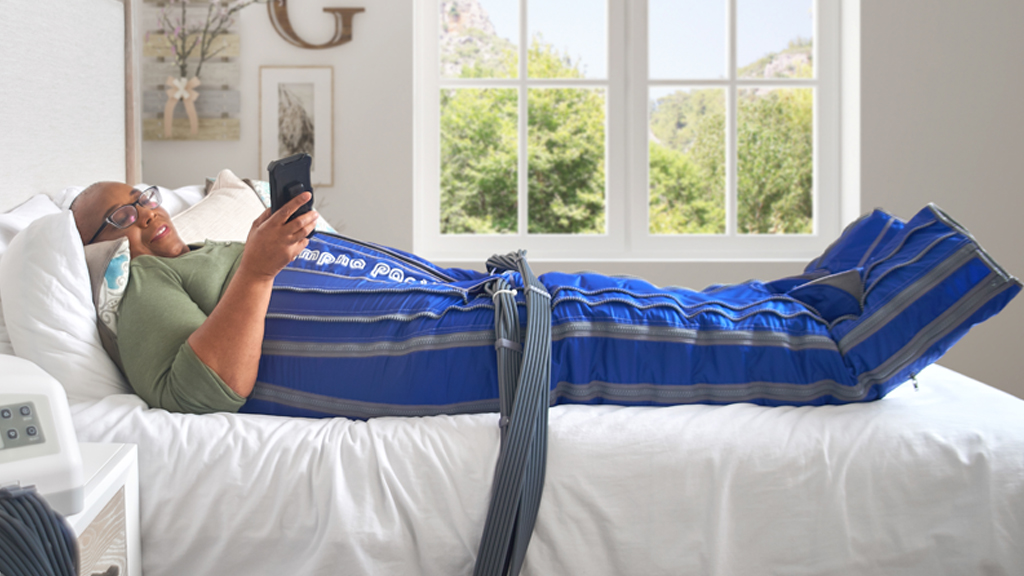
Image from Lympha Press
Anti-Inflammatory Diet
Lipedema fat is biologically distinct from ordinary fat. It is associated with chronic low-grade inflammation, and what you eat can influence how much inflammatory activity your body is dealing with on a daily basis.
Anti-inflammatory dietary approaches for Lipedema, including the RAD (Rare Adipose Disorder) diet, the ketogenic diet, and other low-glycemic, whole-food frameworks, have been reported by many patients to reduce pain, decrease swelling, and improve energy levels. These approaches minimise refined carbohydrates and sugars that can fuel inflammation and prioritize foods that support lymphatic health.
While dietary changes alone will not eliminate lipedema fat, they create a systemic environment that is more conducive to healing and recovery, particularly in the context of surgery.
Movement and Exercise
Exercise for Lipedema is not about burning calories or shrinking fat deposits. It is about keeping the lymphatic system moving, preserving joint function, maintaining cardiovascular health, and supporting emotional wellbeing.
Low-impact activities like swimming, water aerobics, walking, cycling, and lymphatic yoga are particularly well-suited to Lipedema patients. These forms of movement encourage lymphatic flow without placing excessive stress on joints that may already be under pressure from lipedema-related changes.
Consistency matters more than intensity. Even gentle daily movement contributes meaningfully to overall symptom management.
Manual Lymphatic Drainage and Self-Massage
The lymphatic system plays a significant role in Lipedema, and supporting its function is a core part of conservative care. Manual lymphatic drainage (MLD) is a specialised, very light massage technique performed by trained therapists that helps encourage lymphatic fluid to move more efficiently through the body.
Many patients also learn self-massage techniques they can use at home between appointments. Dry brushing for Lipedema, another supportive practice, can complement MLD by stimulating the surface of the skin and encouraging lymphatic movement.
Vitamins, Supplements, and Weight Loss Medications
Certain supplements have been studied in the context of Lipedema and related conditions, including selenium, diosmin, and other compounds with anti-inflammatory or vascular-protective properties. These are not replacements for the core pillars of care, but for some patients, they offer additional support.
For patients dealing with obesity alongside Lipedema, GLP-1 medications like semaglutide and tirzepatide have emerged as a meaningful tool. These medications can support weight loss in a way that may reduce metabolic inflammation and the overall burden on the body, though they do not directly target Lipedema fat. Emerging clinical observations suggest they may have a role in comprehensive Lipedema management for appropriate candidates.
Why Conservative Care Alone Has Its Limits
It is important to be honest: conservative care is invaluable, but it does not reverse Lipedema. It manages symptoms and slows progression. The underlying Lipedema fat remains. Over time, without more definitive intervention, many patients find that conservative care becomes harder to maintain as the condition advances.
This is where surgery enters the picture, and where the relationship between conservative and surgical care for Lipedema becomes especially important.
Surgery: The Most Powerful Tool in Lipedema Treatment
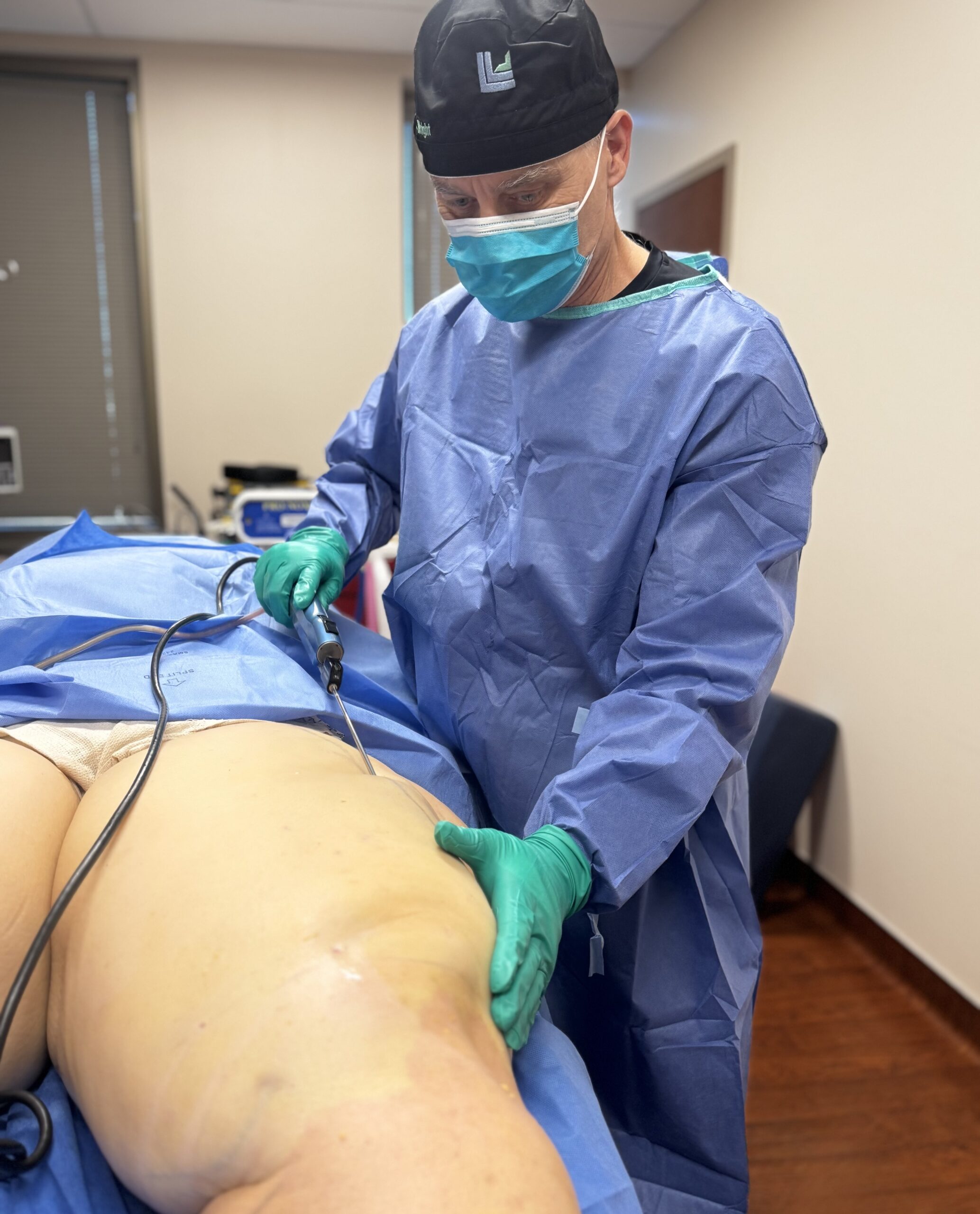
Lipedema reduction surgery, most commonly performed using water-assisted liposuction (WAL) or power-assisted liposuction (PAL) with lymph-sparing techniques, physically removes the diseased fat tissue that conservative care cannot address. It is the only treatment currently known to directly target and reduce Lipedema fat deposits.
The results from surgery can be profound. Research published on outcomes from Lipedema reduction surgery in the United States found that quality of life improved in 84% of patients and pain improved in 86% of patients following surgery. Mobility improvements were particularly notable in patients with Stage 3 Lipedema.
Studies comparing surgical outcomes to conservative care alone have found that surgery has dramatically greater impact on Lipedema symptoms.
This is not to diminish conservative care. It is to illustrate that surgery operates on a different level entirely. It is the most impactful single intervention available to Lipedema patients today.
The Compounding Effect: Why Both Together Wins
At the end of the day, surgery does not replace conservative care. It works best on top of it.
Patients who arrive at surgery already practicing compression therapy, following an anti-inflammatory diet for Lipedema, exercising regularly, and supporting their lymphatic health are starting from a stronger position. Their tissue is less inflamed. Their lymphatic system is better supported. Their body is primed for healing and recovery.
Conservative care before surgery does several important things:
- It reduces the inflammatory burden in the tissue, which can improve surgical outcomes and recovery.
- It conditions the lymphatic system, which is important because surgery in any form places demands on lymphatic drainage.
- It establishes habits that will support long-term results after surgery.
- It may help reduce overall tissue volume modestly, which can make surgical planning more precise.
After surgery, continuing conservative care is what maintains the results. Compression garments remain important during recovery and beyond. Anti-inflammatory eating supports healing. Movement and lymphatic drainage help the body process the changes that surgery has made. The surgical result provides a new, improved baseline, and conservative care protects and extends it.
This compounding effect is what distinguishes patients who experience the most significant and lasting outcomes.
It is not surgery alone.
It is not conservative care alone.
It is surgery built on a strong foundation of conservative care, followed by ongoing maintenance of that foundation.
The Case for Starting Early
Because Lipedema is a progressive condition, the timing of treatment matters. The earlier conservative care begins, the more damage can be slowed before it accumulates. Starting with compression, dietary changes, and movement as soon as possible after diagnosis does not just make you feel better in the short term. It positions you for the best possible surgical outcomes if and when you get there.
Equally important: entering surgery in the best possible condition means starting your foundation early, not scrambling to put it together in the weeks before a procedure. The body responds to consistent care over time. Building these habits months or years in advance creates real, measurable differences.
What a Comprehensive Approach Looks Like in Practice
For a patient navigating Lipedema, a comprehensive approach might unfold something like this:
- At diagnosis: Begin compression therapy with properly fitted garments. Start working toward an anti-inflammatory dietary pattern. Incorporate low-impact movement consistently. Explore manual lymphatic drainage for Lipedema with a trained therapist.
- Over the following months: Establish these habits as a sustainable routine. Evaluate symptoms, discuss surgical candidacy with a qualified Lipedema specialist, and begin exploring insurance coverage if applicable.
- Pre-surgery: Optimise conservative care to reduce inflammation and prepare the lymphatic system. Ensure nutrition is supporting healing ahead of the procedure.
- Surgery: Work with a surgeon experienced in lymph-sparing techniques to address the Lipedema fat directly.
- Post-surgery: Return to conservative care as directed by your surgical team. Compression and movement will be central to recovery and to protecting your long-term results.
Every step along this path matters. No phase is wasted, even when it feels slow or incomplete on its own.
A Different Way to Think About Lipedema Treatment
For too long, Lipedema patients have been told that nothing can be done, or given a single treatment without the context of a broader plan. The emerging standard of care tells a different story. It is a story of layers, consistency, and informed decisions.
The treatments available today are most effective when used thoughtfully and in combination. Conservative care builds the foundation, surgery delivers the most impactful results, and together, they offer something that neither can provide alone: meaningful, lasting relief.
You may also be interested in:
- Evidence-Based Nutritional Approaches for Lipedema
- GLP-1 Medications and Lipedema
- Skin Tightening Post Lipedema Liposuction